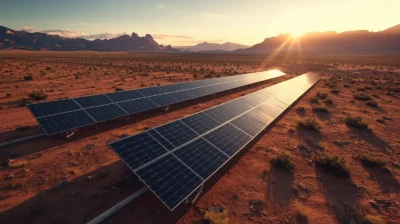
Saudi Arabia sits on one of the most abundant solar resources in the world. With average daily sunshine exceeding eight hours across most of the Kingdom, and electricity costs that have risen steadily alongside growing demand, the case for switching to solar has never been more straightforward. Yet the decision of which provider to trust with that investment — and how to ensure the project is done properly — is where many people get stuck.
If you are exploring solar energy for your home, commercial property, or industrial facility in the Kingdom, here is what genuinely matters when it comes to choosing the right partner.
What the Saudi Solar Market Looks Like Right Now
Demand for solar installations across Saudi Arabia has grown sharply over the past three years. Vision 2030 targets for renewable energy have accelerated both government and private sector adoption, and that growth has brought a large number of new entrants into the market — companies with widely varying levels of technical competence and after-sales commitment.
In Riyadh, the combination of extreme summer heat, high electricity consumption from cooling, and the scale of both residential and commercial development has made it the most active solar market in the country. For anyone evaluating a solar energy company in Riyadh Saudi Arabia, the volume of options available makes it all the more important to know what to look for before committing.
The Difference Between a Solar Vendor and a Solar Partner
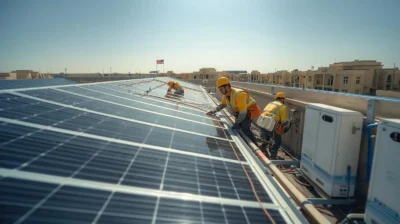
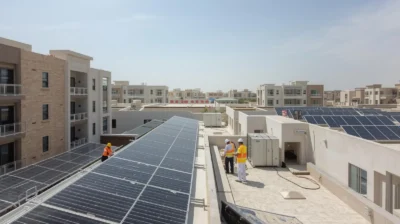
A vendor sells panels and arranges an installation. A genuine solar energy company in Riyadh Saudi Arabia provides a site assessment, an energy audit, a system design built around your actual consumption patterns, compliant installation, commissioning, and ongoing support. The distinction matters enormously to the long-term performance of the system.
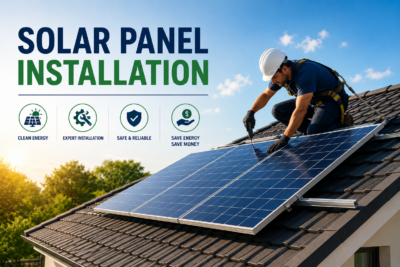
Solar panels have rated lifespans of 25 years or more. The quality of the design and installation determines whether a system actually delivers close to those projections, or begins degrading and generating service calls within a few years. A solar panel installation company in Riyadh that is still around in year five to honour a warranty or troubleshoot a performance issue is worth considerably more than one that disappears after handover.
What Separates a Good Installation from an Average One
A well-designed solar system in Saudi Arabia accounts for rooftop orientation, shading from adjacent structures, cable run distances, inverter placement for ventilation, and the capacity of the existing electrical infrastructure to accept the output safely. Systems that skip this analysis typically perform below projections and occasionally create safety issues.
Equally important is the quality of the components specified. The Saudi climate is punishing — sustained high temperatures, occasional sandstorms, and intense UV exposure all affect how panels, inverters, and mounting systems perform over time. Equipment that carries appropriate temperature and dust ratings for desert conditions is not optional; it is a baseline requirement for any reputable provider.
After-Sales Support and System Cleaning
Dust accumulation on solar panels is one of the most significant performance factors in Saudi Arabia and one of the most frequently overlooked. Research consistently shows that uncleaned panels in the Kingdom can lose 20 to 40 percent of their rated output within weeks during dusty periods. Regular cleaning is not maintenance theatre — it has a direct and measurable impact on energy yield and return on investment.
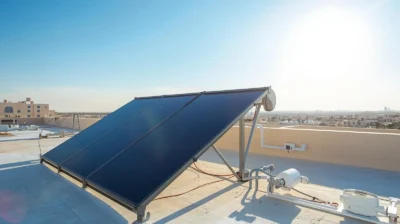
Choosing the best solar company in Saudi Arabia means looking for providers who offer structured after-sales programmes alongside installation. Our solar heater system installation services and our
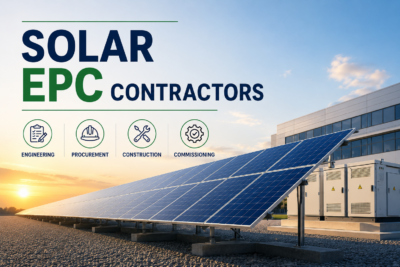
engineering and EPC services are designed together so that the team that designs and installs your system is the same team supporting it over its operational life.
Frequently Asked Questions
How much does solar panel installation cost in Riyadh?
The cost varies significantly based on system size, equipment quality, roof type, and whether the installation is on-grid, off-grid, or hybrid. Residential systems in Riyadh typically start from SAR 15,000 for smaller setups and scale upward from there. A proper site assessment and energy audit is the only reliable basis for an accurate project cost — generic online estimates rarely reflect the specifics of your property.
Is solar energy worth it for homes in Saudi Arabia?
For most homeowners in Saudi Arabia, the answer is yes. High solar irradiance, significant air conditioning loads, and rising electricity tariffs create favourable payback conditions. Well-designed systems in the Kingdom typically achieve payback periods of four to seven years and then generate essentially free electricity for the remaining 20-plus-year system life.
What should I look for in a solar company in Saudi Arabia?
Look for companies that conduct a proper site assessment before quoting, specify equipment appropriate for desert conditions, hold relevant licences and certifications, and can demonstrate completed projects in similar applications. Aftercare commitments — cleaning contracts, maintenance visits, warranty response — are just as important as the installation itself.
Can solar systems in Saudi Arabia handle extreme summer temperatures?
Yes, but only when the right equipment is specified. Solar panels lose efficiency above 25°C — this is a known and quantifiable effect. However, premium panels and well-ventilated mounting systems are engineered to minimise this loss. A good system design accounts for the temperature coefficient of the panels selected and models expected output accordingly.
How long does a solar installation take in Riyadh?
A standard residential installation typically takes two to five working days from mobilisation to commissioning. Larger commercial or industrial projects take longer depending on system size, roof access, and whether any grid connection approvals are required. The design and permitting phase before installation begins often takes longer than the physical work itself.