
Saudi Arabia’s combination of almost year-round sunshine, growing electricity demand, and a national commitment to expanding renewable energy has made solar panel installation in Saudi Arabia one of the most practical infrastructure investments available to property owners right now. But going into a project without understanding how sizing works, what the installation process actually involves, and what realistic expectations look like can lead to outcomes that disappoint.
Whether you are a homeowner in Riyadh looking to reduce a monthly electricity bill that spikes every summer, or a business managing energy costs across a commercial or industrial facility, the fundamentals of a well-executed solar installation are worth understanding before you start taking quotes.
Sizing: The Most Important Decision in Any Solar Project
The single most important factor in solar panel installation in Saudi Arabia is correctly sizing the system for actual energy consumption. An undersized system fails to deliver meaningful savings. An oversized system costs more than necessary and, in grid-tied configurations, may generate more power than the property can use or export.
Correct sizing starts with an energy audit — ideally using 12 months of electricity bills to capture seasonal variation. Saudi Arabia’s summer cooling loads are typically two to four times the winter baseline, which means a system designed only for average annual consumption will fall short precisely when you need it most.
Residential Installation: What the Process Looks Like
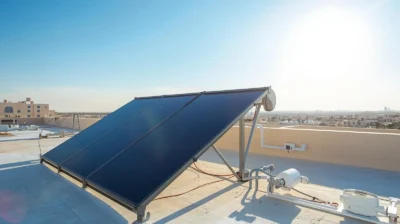
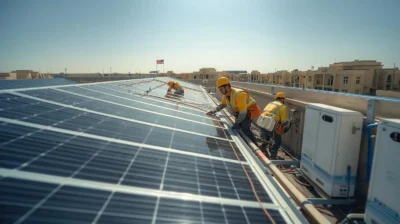
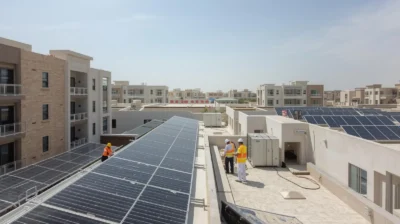
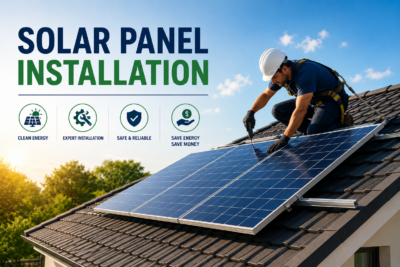
A residential solar panel system installation follows a defined sequence: site survey, structural assessment of the roof or mounting surface, system design, equipment procurement, physical installation, electrical connection, and commissioning. For a typical family villa in Riyadh, the physical installation phase usually takes two to four working days.
What varies considerably is the quality of each step. Roof assessments that overlook shading from water tanks or adjacent buildings, cable routes that create unnecessary losses, or inverter placements in poorly ventilated spaces all reduce the long-term performance of an otherwise technically sound system. Attention to these details is what separates experienced installers from those simply meeting a minimum requirement.
Solar Energy Solutions for Businesses: The Commercial Case
For commercial properties, the financial case for solar energy solutions for businesses in Saudi Arabia tends to be even stronger than for residential applications. Businesses typically consume electricity during peak daytime hours — which aligns well with solar generation — and they operate at scales where even modest reductions in electricity cost per unit translate into significant annual savings.
Warehouses, retail centres, manufacturing facilities, hospitals, and hotels across Saudi Arabia have all demonstrated strong returns from solar installations. The key for commercial projects is ensuring the system design reflects the actual operational load profile of the business rather than a generic commercial estimate.
Industrial Solar: Unique Considerations
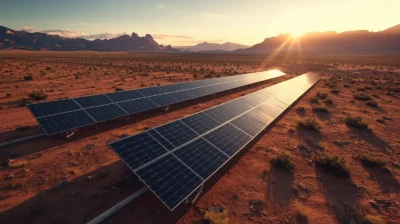
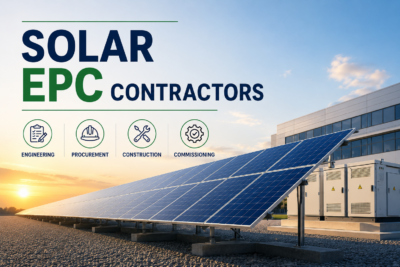
Industrial solar power systems in Saudi Arabia operate at scale and in environments that place additional demands on equipment and installation quality. High temperatures, dust exposure, and continuous operational requirements mean that equipment selection, mounting system design, and ongoing maintenance all carry more weight than in residential applications.
Industrial installations also typically involve more complex grid connection requirements and may need to interface with backup generation or storage systems. Engaging a provider with direct experience in industrial installations — not just scaled-up residential work — makes a real difference in outcomes.
After Installation: Keeping Performance Where It Should Be
A well-installed system is an asset that needs to be maintained to deliver its projected returns. Our solar energy homepage has an overview of our full service offering, while our
maintenance and upgrades services cover the scheduled cleaning, inspection, and performance monitoring that protect your investment across the system’s operational life.
Frequently Asked Questions
What size solar system do I need for my home in Riyadh?
It depends on your monthly electricity consumption and the months of highest usage. A typical family home in Riyadh consuming 1,500 to 2,500 kWh per month during summer would generally require a system in the 8 to 15 kW range, accounting for summer peak loads and rooftop orientation. A proper energy audit of your bills is the only accurate starting point.
What is the return on investment for solar panels in Saudi Arabia?
Most well-designed residential and commercial solar installations in Saudi Arabia achieve payback periods of four to seven years, with the system then generating electricity at near-zero marginal cost for the remaining 20-plus years of its design life. Exact ROI depends on system size, electricity tariff category, shading, maintenance, and equipment quality.
Can solar power run air conditioning in Saudi Arabia?
Yes — and air conditioning is one of the primary reasons solar makes strong financial sense in Saudi Arabia. Modern inverter air conditioning systems are significantly more efficient than older models, and a correctly sized solar system can offset a substantial proportion of cooling energy. The system design needs to account for peak cooling demand, which is typically the largest single load in any Saudi property.
What is the difference between on-grid and off-grid solar installation?
On-grid systems are connected to the national electricity network and can export surplus power while drawing from the grid when solar generation is insufficient. Off-grid systems are fully independent and require battery storage to provide power when the sun is not shining. Most urban and suburban installations in Saudi Arabia are on-grid; off-grid makes more sense for remote sites without reliable grid access.
How often do solar panels need to be cleaned in Saudi Arabia?
Due to dust accumulation, panels in Saudi Arabia typically need cleaning every two to four weeks during high-dust seasons to maintain optimal output. Neglecting cleaning can reduce energy yield by 20 to 40 percent in peak dust conditions. A structured cleaning and maintenance contract is the most reliable way to protect system performance over time.